Glue Down Engineered Hardwood Flooring: Is It Any Good?
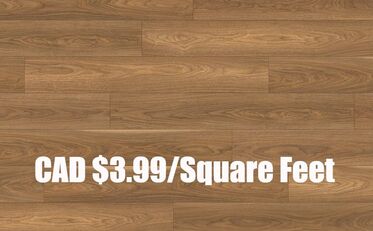
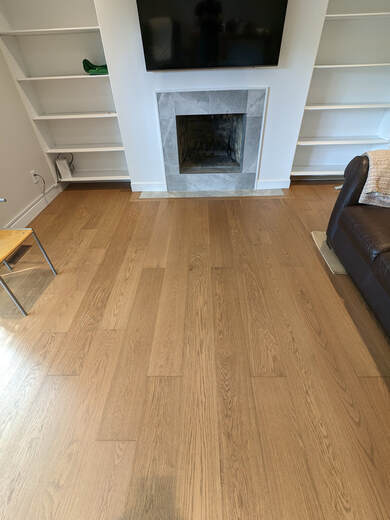 Close-up of engineered hardwood planks.
When it comes to flooring options, engineered hardwood flooring is a popular choice among homeowners in Toronto. This type of flooring combines the beauty of real wood with the practicality of a composite product. In this article, we will delve into the topic of glue down engineered hardwood flooring, answering common questions and providing valuable insights.
What is Engineered Hardwood Flooring?
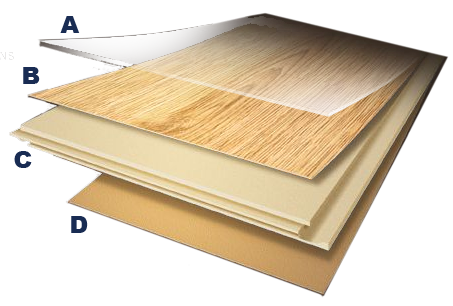
Engineered hardwood flooring is a type of flooring that is made up of a top layer of real hardwood veneer adhered to a core of high-density fiberboard (HDF) or plywood. This construction makes engineered hardwood more stable than solid hardwood, especially in response to changes in temperature and humidity. This makes it a great choice for basements and over radiant heating systems, where traditional solid hardwood may not be suitable. You can learn more about engineered hardwood flooring on our website.
Glue Down Method for Engineered Hardwood Flooring
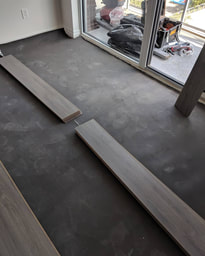
The glue down method is one of the most common installation methods for engineered hardwood flooring. As the name suggests, this method involves using a special adhesive to stick the flooring directly to the subfloor. This method is particularly suitable for concrete subfloors and can also be used on wooden subfloors. One of the main advantages of the glue down method is its stability. Because the flooring is adhered directly to the subfloor, there is less chance of movement and squeaking. This method also allows for thinner profile flooring, which can be beneficial in situations where door clearance or ceiling height is a concern. However, the glue down method can be more time-consuming and requires more skill than other installation methods. It's also important to note that once the flooring is glued down, it can be difficult to remove or replace. Learn more about our hardwood flooring installation services. | 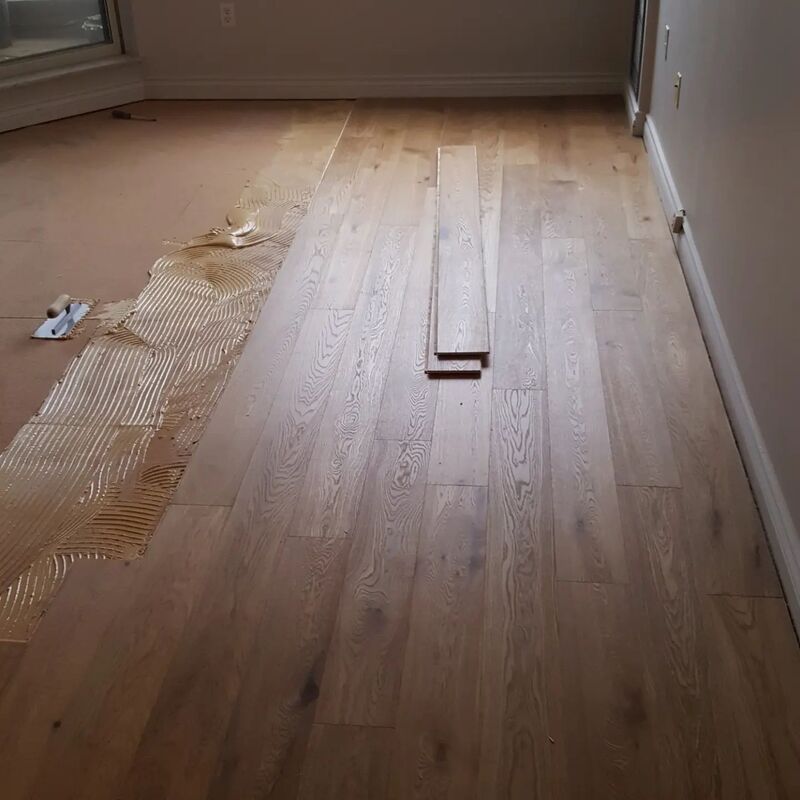 applying adhesive to the subfloor during a glue down engineered hardwood flooring installation |
Glue Down vs. Nail Down: Which is Better?
When it comes to installing engineered hardwood flooring, there are two main methods: glue down and nail down. The glue down method, as we discussed earlier, involves adhering the flooring directly to the subfloor using a special adhesive. This method provides a solid, stable floor that feels more like a solid hardwood floor.
On the other hand, the nail down method involves attaching the flooring to the subfloor using nails or staples. This method is typically used for solid hardwood flooring, but it can also be used for engineered hardwood.
So, which method is better? The answer depends on your specific needs and circumstances. The glue down method provides a more stable floor, but it is more labor-intensive and permanent. The nail down method, on the other hand, is quicker and easier, but it may not provide the same level of stability. You can learn more about the different installation methods on our blog.
On the other hand, the nail down method involves attaching the flooring to the subfloor using nails or staples. This method is typically used for solid hardwood flooring, but it can also be used for engineered hardwood.
So, which method is better? The answer depends on your specific needs and circumstances. The glue down method provides a more stable floor, but it is more labor-intensive and permanent. The nail down method, on the other hand, is quicker and easier, but it may not provide the same level of stability. You can learn more about the different installation methods on our blog.
Can Engineered Hardwood Flooring be Glued to Plywood?
Yes, engineered hardwood flooring can be glued to plywood. In fact, plywood is one of the most common types of subfloor that engineered hardwood flooring is installed on. The glue down method works well with plywood because it provides a smooth, stable surface for the flooring to adhere to.
However, it's important to note that the plywood must be properly prepared before the flooring is installed. This includes ensuring that the plywood is clean, dry, and level. Any irregularities in the plywood can cause problems with the installation and performance of the flooring.
However, it's important to note that the plywood must be properly prepared before the flooring is installed. This includes ensuring that the plywood is clean, dry, and level. Any irregularities in the plywood can cause problems with the installation and performance of the flooring.
Is Glue Down Installation Better than Floating Installation for Engineered Wood Floors?
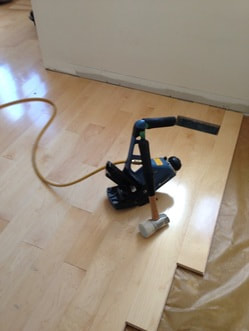 installed engineered hardwood flooring | The answer to this question depends on your specific needs and circumstances. The glue down method provides a solid, stable floor that feels more like a solid hardwood floor. However, it is more labor-intensive and permanent than the floating method. On the other hand, the floating method, where the flooring planks are attached to each other but not to the subfloor, is quicker and easier to install. It also allows for the installation of a moisture barrier and underlayment for added insulation and noise reduction. However, floating floors may not feel as solid underfoot as glue down floors. You can learn more about the different types of hardwood flooring and their installation methods on our blog. |
Underlayment for Glue Down Engineered Hardwood Flooring
When it comes to underlayment for glue down engineered hardwood, there are two main options: direct glue down and double glue down. In the direct glue down method, the flooring is glued directly onto the subfloor. In the double glue down method, an underlayment (such as cork) is first glued to the subfloor, and then the engineered hardwood floor is glued on top of it. The double glue down method can provide additional sound insulation and comfort underfoot.
How Long Before You Can Put Furniture on New Glued Down Engineered Hardwood Floors?
After installing glue down engineered hardwood flooring, it's recommended to wait at least 24 hours before placing furniture on the new floors. This allows the adhesive to fully cure and ensures a strong bond between the flooring and the subfloor. However, the exact waiting time can vary depending on the specific adhesive used, so it's always best to follow the manufacturer's instructions.
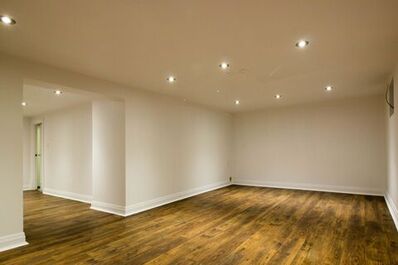
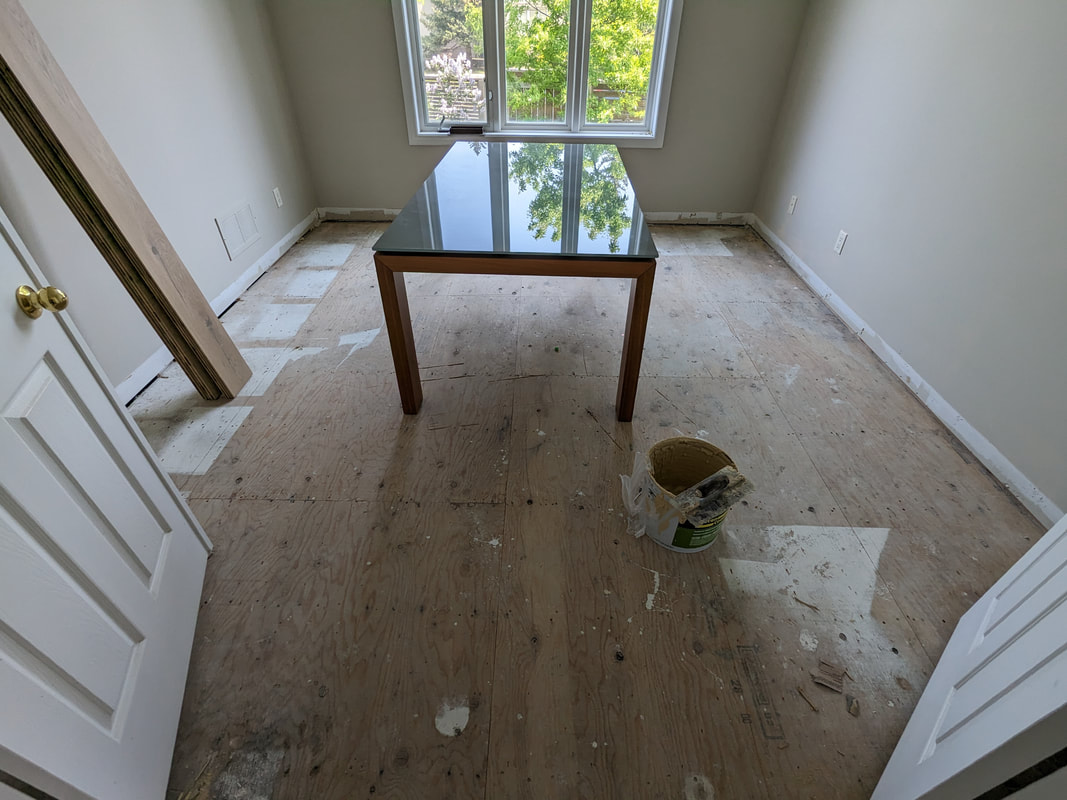 Before footage of engineered hardwood flooring installation | 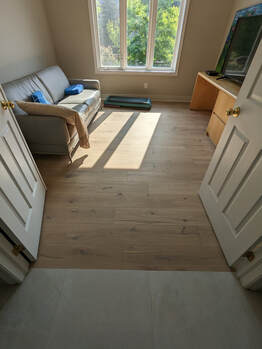 After footage of engineered hardwood flooring installation |
Glue Down Engineered Hardwood Flooring: Maintenance and Longevity
Engineered hardwood flooring is known for its durability and long lifespan, but like any flooring, it requires proper care and maintenance to keep it looking its best.
Maintaining your engineered hardwood flooring is relatively straightforward. Regular sweeping or vacuuming can help remove dust and debris that might scratch the surface. For deeper cleaning, use a damp mop and a cleaner specifically designed for hardwood floors. Avoid using excessive water, as it can seep into the cracks and cause damage.
One of the advantages of engineered hardwood flooring is that it can be refinished if it becomes scratched or worn. However, the number of times it can be refinished depends on the thickness of the top veneer. Some high-quality engineered floors can be refinished multiple times, while others may only be able to be refinished once or twice.
In terms of longevity, engineered hardwood flooring can last for decades with proper care. The exact lifespan will depend on factors such as the quality of the flooring, the amount of foot traffic it receives, and how well it is maintained.
To ensure the longevity of your flooring, consider hiring professional hardwood flooring installers for the installation process. Professionals have the knowledge and experience to install the flooring correctly, which can help prevent issues down the line.
In conclusion, glue down engineered hardwood flooring is a versatile and durable choice for your home. It offers the beauty of real wood with the added stability of engineered construction. Whether you're renovating your current home or building a new one, consider engineered hardwood flooring for a stylish and long-lasting flooring solution.
For more information on engineered hardwood flooring and other types of flooring, check out our blog or contact us at Parqueteam Hardwood Flooring. We're here to help you make the best choice for your home.
Please note that this article is intended to provide general information. For specific advice related to your situation, please consult with a professional.
FAQ
- What is glue down engineered hardwood flooring?
Glue down engineered hardwood flooring is a type of flooring installation method where adhesive is used to bond the flooring directly to the subfloor. This method is commonly used for engineered hardwood flooring, which is made up of multiple layers of wood with a hardwood veneer on top. - Should you glue down engineered hardwood flooring?
Yes, gluing down engineered hardwood flooring is a common and effective installation method. It provides a solid, stable floor that feels more like a solid hardwood floor. - Can engineered flooring be glued down?
Yes, engineered hardwood flooring can be glued down. This method works well with engineered hardwood flooring because it provides a smooth, stable surface for the flooring to adhere to. - Is it better to glue or nail an engineered wood floor?
The answer depends on your specific needs and circumstances. The glue down method provides a more stable floor, but it is more labor-intensive and permanent. The nail down method, on the other hand, is quicker and easier, but it may not provide the same level of stability. - Do you need underlayment for glue down engineered hardwood?
Typically, an underlayment is not required when using the glue down method for engineered hardwood. However, it's always best to follow the manufacturer's instructions. - Is floating better than glue down engineered wood?
The answer to this question depends on your specific needs and circumstances. The floating method, where the flooring planks are attached to each other but not to the subfloor, is quicker and easier to install. However, floating floors may not feel as solid underfoot as glue down floors. - How long before you can put furniture on new glued down engineered hardwood floors?
After installing glue down engineered hardwood flooring, it's recommended to wait at least 24 hours before placing furniture on the new floors. This allows the adhesive to fully cure and ensures a strong bond between the flooring and the subfloor. - Can you glue engineered hardwood flooring to plywood?
Yes, engineered hardwood flooring can be glued to plywood. In fact, plywood is one of the most common types of subfloor that engineered hardwood flooring is installed on. - How long does engineered hardwood flooring last?
With proper care and maintenance, engineered hardwood flooring can last for decades. The exact lifespan will depend on factors such as the quality of the flooring, the amount of foot traffic it receives, and how well it is maintained.