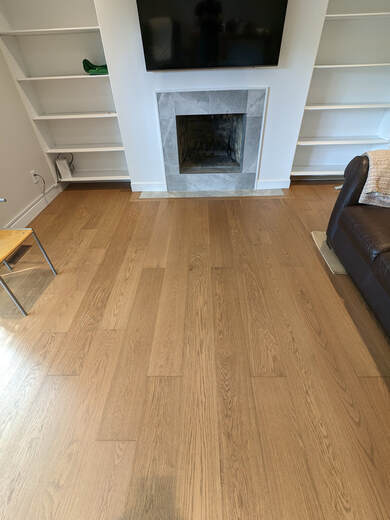
Laminate Flooring in Toronto: A Comprehensive Guide
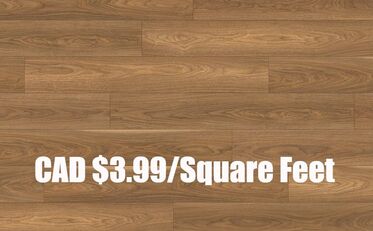
When it comes to flooring options, laminate flooring has become a popular choice for many homeowners in Toronto. This is due to its affordability, durability, and the wide variety of styles available. However, like any other flooring option, it comes with its own set of pros and cons. This blog post aims to provide a comprehensive guide to laminate flooring in Toronto, answering some of the most common questions homeowners have.
The Cost of Installing Laminate Flooring in Toronto
One of the most common questions homeowners have is about the cost of installing laminate flooring. On average, the cost to install laminate flooring in Toronto ranges from $2 to $8 per square foot, including the cost of materials and labor. This means that for a 1000 square foot area, you can expect to pay between $5,000 and $8,000. However, these costs can vary depending on the quality of the laminate you choose and the complexity of the installation process. For more detailed information about the cost of installing laminate flooring, you can visit our laminate flooring installation page. | 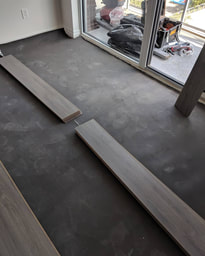 |
Pros and Cons of Laminate Flooring
Like any flooring option, laminate flooring comes with its own set of advantages and disadvantages. On the positive side, laminate flooring is durable, easy to clean, and resistant to stains and scratches. It's also available in a wide variety of styles, allowing you to mimic the look of more expensive flooring options like hardwood at a fraction of the cost.
However, there are also some disadvantages to consider. Laminate flooring can be susceptible to water damage, making it a less ideal choice for areas with high moisture levels like bathrooms or basements. It can also be less comfortable to stand on for long periods compared to other flooring options. For a more in-depth comparison of laminate and hardwood flooring, you can check out our blog post on the topic.
However, there are also some disadvantages to consider. Laminate flooring can be susceptible to water damage, making it a less ideal choice for areas with high moisture levels like bathrooms or basements. It can also be less comfortable to stand on for long periods compared to other flooring options. For a more in-depth comparison of laminate and hardwood flooring, you can check out our blog post on the topic.
Laminate Vs. Hardwood Flooring: Which Is Cheaper?
In terms of upfront costs, laminate flooring is generally cheaper than hardwood. However, it's important to consider the long-term costs as well. Hardwood flooring can last for decades with proper care and can be refinished multiple times, potentially making it a more cost-effective choice in the long run.
Moreover, while laminate flooring is generally cheaper than hardwood, it's worth noting that hardwood flooring can last for decades and can be refinished multiple times, potentially making it a more cost-effective choice in the long run.
Moreover, while laminate flooring is generally cheaper than hardwood, it's worth noting that hardwood flooring can last for decades and can be refinished multiple times, potentially making it a more cost-effective choice in the long run.
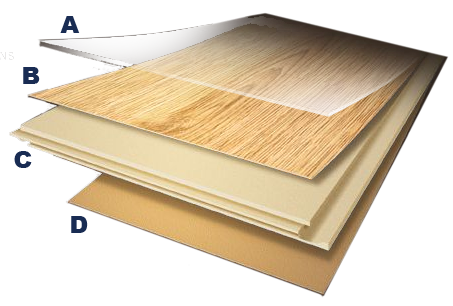
Is It Worth To Install Laminate Flooring?
Whether or not it's worth it to install laminate flooring depends on your specific needs and circumstances. If you're looking for a cost-effective, durable, and stylish flooring option, then laminate flooring can be a great choice. However, if you prefer the feel and longevity of real wood, then you might want to consider hardwood or engineered hardwood flooring instead. You can learn more about engineered hardwood flooring on our engineered hardwood flooring page.
Where Should You Not Install Laminate Flooring?
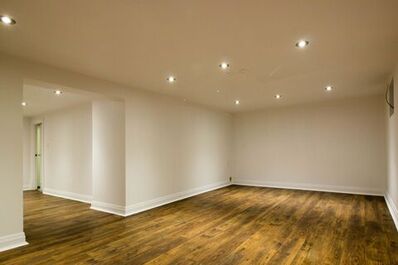 | As mentioned earlier, laminate flooring is not the best choice for areas with high moisture levels, such as bathrooms or basements. This is because laminate can warp or swell when exposed to water for extended periods. If you're considering installing laminate flooring in your kitchen, you might want to read our blog post about installing engineered hardwood flooring in kitchens for some useful insights. Laminate flooring can be a great choice for many homeowners in Toronto due to its affordability, durability, and aesthetic appeal. However, it's important to consider the potential disadvantages as well. For instance, while laminate is highly resistant to scratches, it can be susceptible to water damage if not properly sealed. This is why it's crucial to avoid installing laminate flooring in areas with high moisture levels, such as bathrooms or basements. |
Let's Wrap Things Up...
In conclusion, whether laminate flooring is the right choice for you will depend on your specific needs and circumstances. If you're looking for a cost-effective, durable, and stylish flooring option, then laminate flooring can be a great choice. However, if you prefer the feel and longevity of real wood, then you might want to consider hardwood or engineered hardwood flooring instead.
For more information about laminate flooring, or to explore other flooring options, feel free to visit our website. Our team of experienced professionals is always here to help you make the best decision for your home.
For more information about laminate flooring, or to explore other flooring options, feel free to visit our website. Our team of experienced professionals is always here to help you make the best decision for your home.
Frequently Asked Questions About Laminate Floors in Toronto
1. How much does it cost to install laminate flooring in Toronto?
The cost to install laminate flooring can vary depending on several factors, including the quality of the laminate and the complexity of the installation. On average, you can expect to pay between $2,000 and $8,000 for 1000 square feet of laminate flooring, including installation.
2. What are the disadvantages of laminate flooring?
While laminate flooring is durable and easy to maintain, it can be susceptible to water damage if not properly sealed. This makes it less suitable for areas with high moisture levels, such as bathrooms or basements.
3. Is laminate flooring cheaper than hardwood?
Generally speaking, laminate flooring is cheaper than hardwood in terms of upfront costs. However, hardwood flooring can last for decades and can be refinished multiple times, potentially making it a more cost-effective choice in the long run.
4. Is it worth it to install laminate flooring?
If you're looking for a cost-effective, durable, and stylish flooring option, then laminate flooring can be a great choice. However, the decision ultimately depends on your specific needs and circumstances.
5. Where should you not install laminate flooring?
Laminate flooring is not recommended for areas with high moisture levels, such as bathrooms or basements, as it can be susceptible to water damage.
The cost to install laminate flooring can vary depending on several factors, including the quality of the laminate and the complexity of the installation. On average, you can expect to pay between $2,000 and $8,000 for 1000 square feet of laminate flooring, including installation.
2. What are the disadvantages of laminate flooring?
While laminate flooring is durable and easy to maintain, it can be susceptible to water damage if not properly sealed. This makes it less suitable for areas with high moisture levels, such as bathrooms or basements.
3. Is laminate flooring cheaper than hardwood?
Generally speaking, laminate flooring is cheaper than hardwood in terms of upfront costs. However, hardwood flooring can last for decades and can be refinished multiple times, potentially making it a more cost-effective choice in the long run.
4. Is it worth it to install laminate flooring?
If you're looking for a cost-effective, durable, and stylish flooring option, then laminate flooring can be a great choice. However, the decision ultimately depends on your specific needs and circumstances.
5. Where should you not install laminate flooring?
Laminate flooring is not recommended for areas with high moisture levels, such as bathrooms or basements, as it can be susceptible to water damage.